Digital Product Engineering Services
From first concept to production release
and every iteration after.
Building a great product requires sustained engineering capability across every phase of the lifecycle, from translating a business concept into a viable architecture, to shipping features in disciplined Agile cycles, to maintaining and evolving the system after launch. Most organizations either don't have that capability in-house or can't dedicate it exclusively to a single product. Contata's product engineering practice fills that gap. We embed experienced engineers,. fluent in modern cloud architecture, microservices, and Agile delivery, directly into your product development process, giving you a dedicated, long-term team that treats your product with the same ownership and accountability as an internal engineering organization.
Proven Track Record
Engineering is not where your attention should be divided. When you work with Contata, you hand off technical execution to a team with a demonstrated history of delivering digital products across the full lifecycle — freeing your leadership to focus on product strategy, market development, and growth.
Product Experience
Teams that have only ever built features don't think like product engineers. Our engineers have worked across every phase, conceptualization, architecture, iterative development, and long-term maintenance, and bring that lifecycle perspective to every decision they make about your product.
Dedicated Team
Frequent team turnover destroys product knowledge and slows delivery. We provide dedicated, long-term engineering resources who work virtually within your team, building deep product context that compounds over time rather than resetting with each engagement.
Our Strategic Roadmap to Implementation
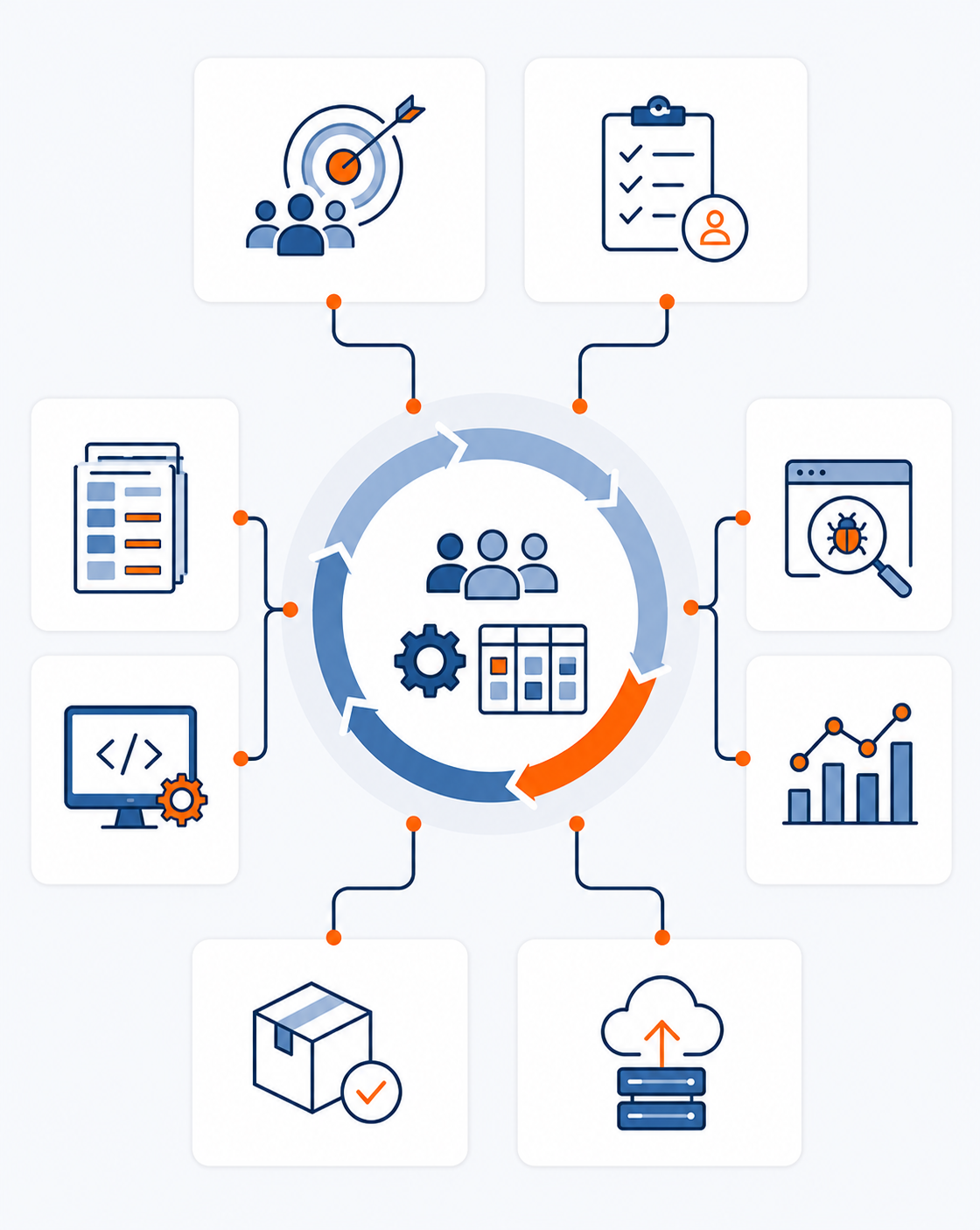
Great products aren't built in a single sprint; they're built through a disciplined sequence of phases that take a business concept from a validated idea to a production-grade system. Our four-phase product engineering framework manages the full lifecycle: from defining what the product needs to be, to designing an architecture that can sustain it, to building and releasing features in structured cycles, to keeping the system performant and up to date long after launch.
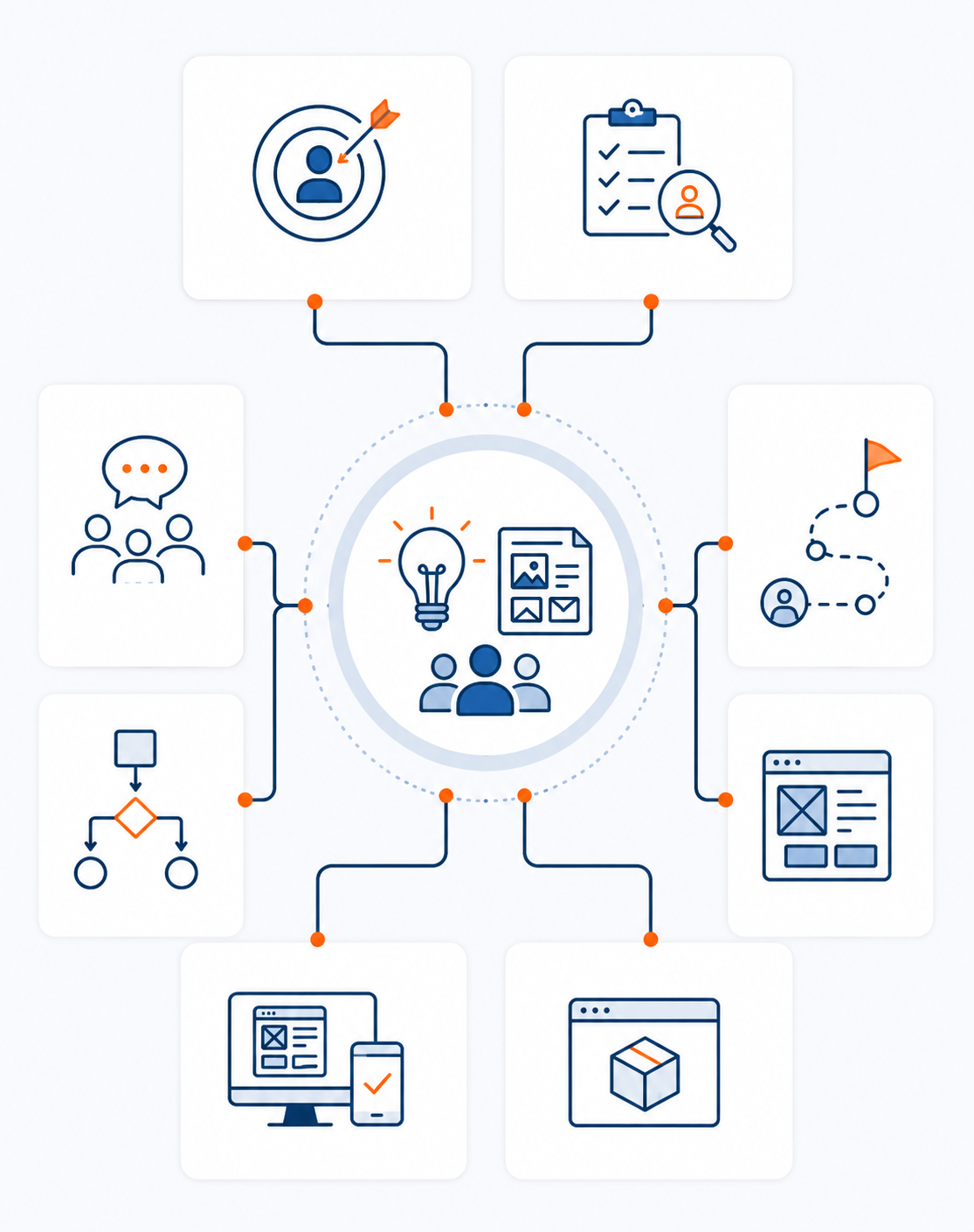
Conceptualization & Solution Design
Translate your product vision into a validated, buildable specification before development begins.
The most expensive engineering mistakes happen at the conceptualization stage, building the wrong thing in the right way, or the right thing with an interface no one wants to use. We work directly with your product visionaries to capture target-market needs, define the use cases and workflows the product must support, and design the interface and experience that will make it intuitive and valuable to its users. Every concept is stress-tested through structured walkthroughs and prototypes before a line of production code is written, ensuring that what gets built is grounded in validated user needs, not assumptions.
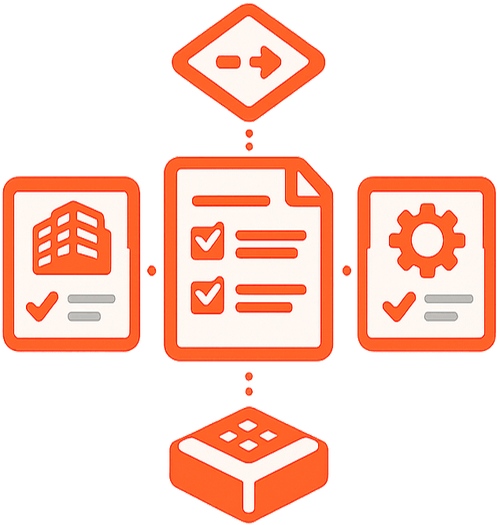
Use Case Definition
Document and elaborate every scenario the product must handle, creating the specification that guides all downstream architecture and development decisions.

UX Design & Mockups
Create interface mockups and interactive walkthroughs that validate the product experience with real users before engineering investment is committed.
Prototype & Validate
Build targeted prototypes of the highest-risk or highest-uncertainty product concepts to validate technical feasibility and user response before full build.
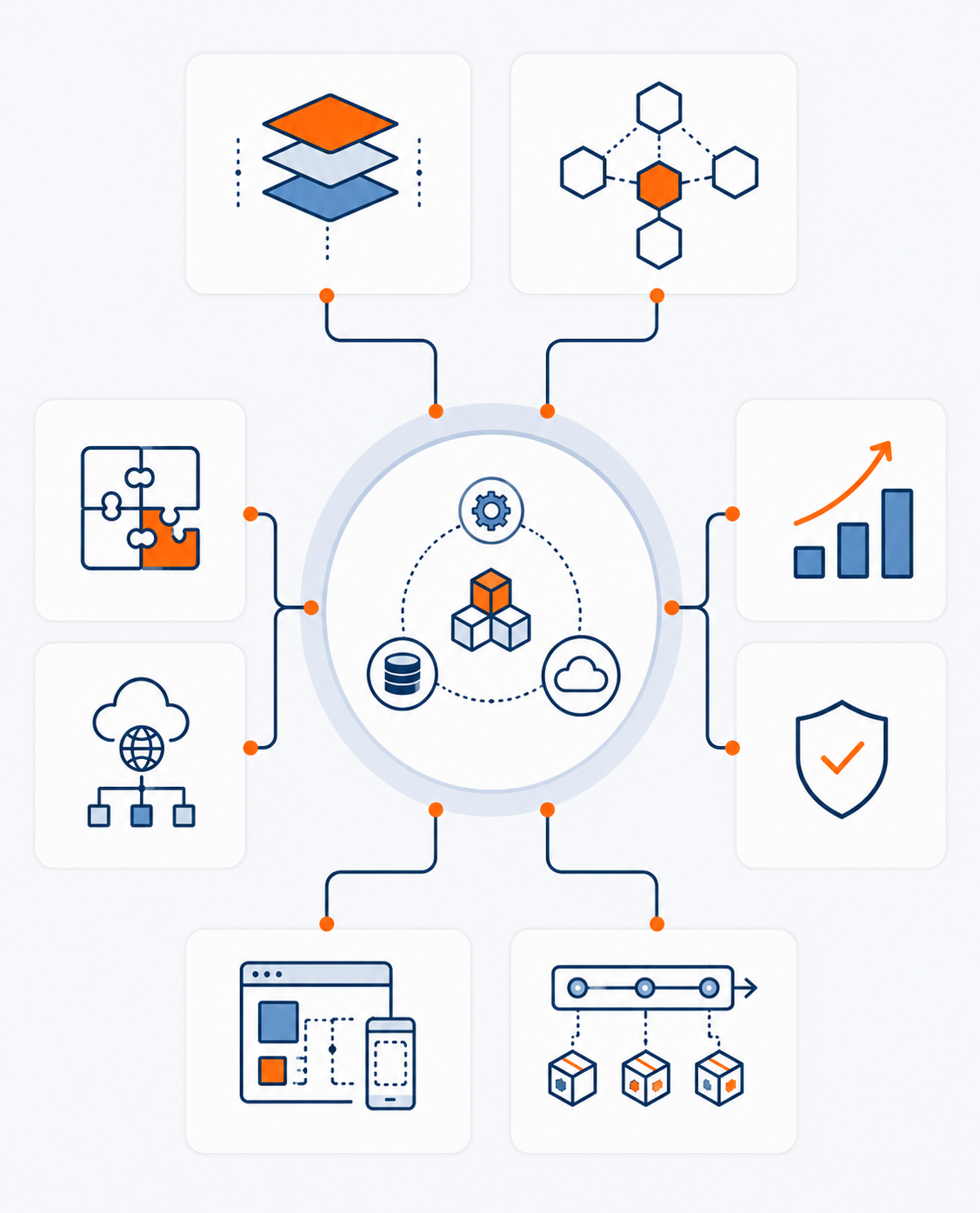
System Architecture & Component Design
Design a system architecture that can deliver the product vision — and evolve without constant rearchitecting.
An application built on a poorly designed architecture accumulates technical debt with every feature added. Contata architects decompose your product's full functionality into a component structure built on modern architectural principles, microservices for independent scalability and deployment, decoupled architectures that allow components to evolve without breaking each other, and micro-frontends where the user interface demands it. Every architectural decision is evaluated against four criteria: does it fulfill the product vision, can it scale to required performance levels, does it leverage the best available cloud or on-premises technologies, and does it remain easy to enhance and modify as the product grows.
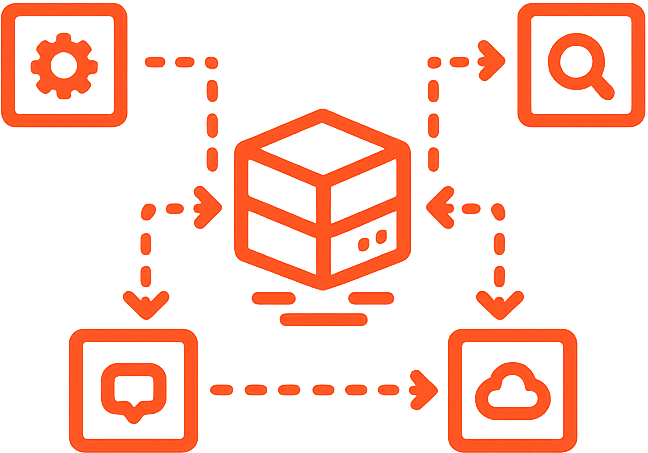
Microservices Decomposition
Break product functionality into independently deployable services that can scale, fail, and evolve without impacting the rest of the system.
Cloud & Infrastructure Design
Select and configure the cloud or on-premises technology stack that delivers the performance, reliability, and cost profile your product requires.
Scalability & Extensibility Planning
Design component interfaces and data models that accommodate the product features on the roadmap, not just the ones being built right now.
Agile Build & Release Cycles
Deliver working software in disciplined, short cycles that keep stakeholders aligned and quality high.
Large-batch development hides risk until it's too late and expensive to address. We build products through short, structured Agile cycles, each targeting a defined set of features that are elaborated, fitted into the component architecture, coded, tested, and released to product owners for acceptance within the sprint. This cadence gives your team continuous visibility into progress, catches misalignments early when they're cheap to fix, and maintains a deployment-ready codebase at every stage. When the product is ready for general release, the deployment infrastructure is already in place, there's no separate release preparation phase to slow you down.
Sprint-Based Feature Delivery
Deliver a working, tested increment of product functionality every sprint — maintaining a deployment-ready codebase throughout the build cycle.
Product Owner Acceptance
Release each sprint's output to product stakeholders for usability testing and acceptance before it is locked into the product baseline.
Continuous Deployment Readiness
Maintain build, test, and deployment automation so that any sprint can be targeted for general release without a separate stabilization phase.
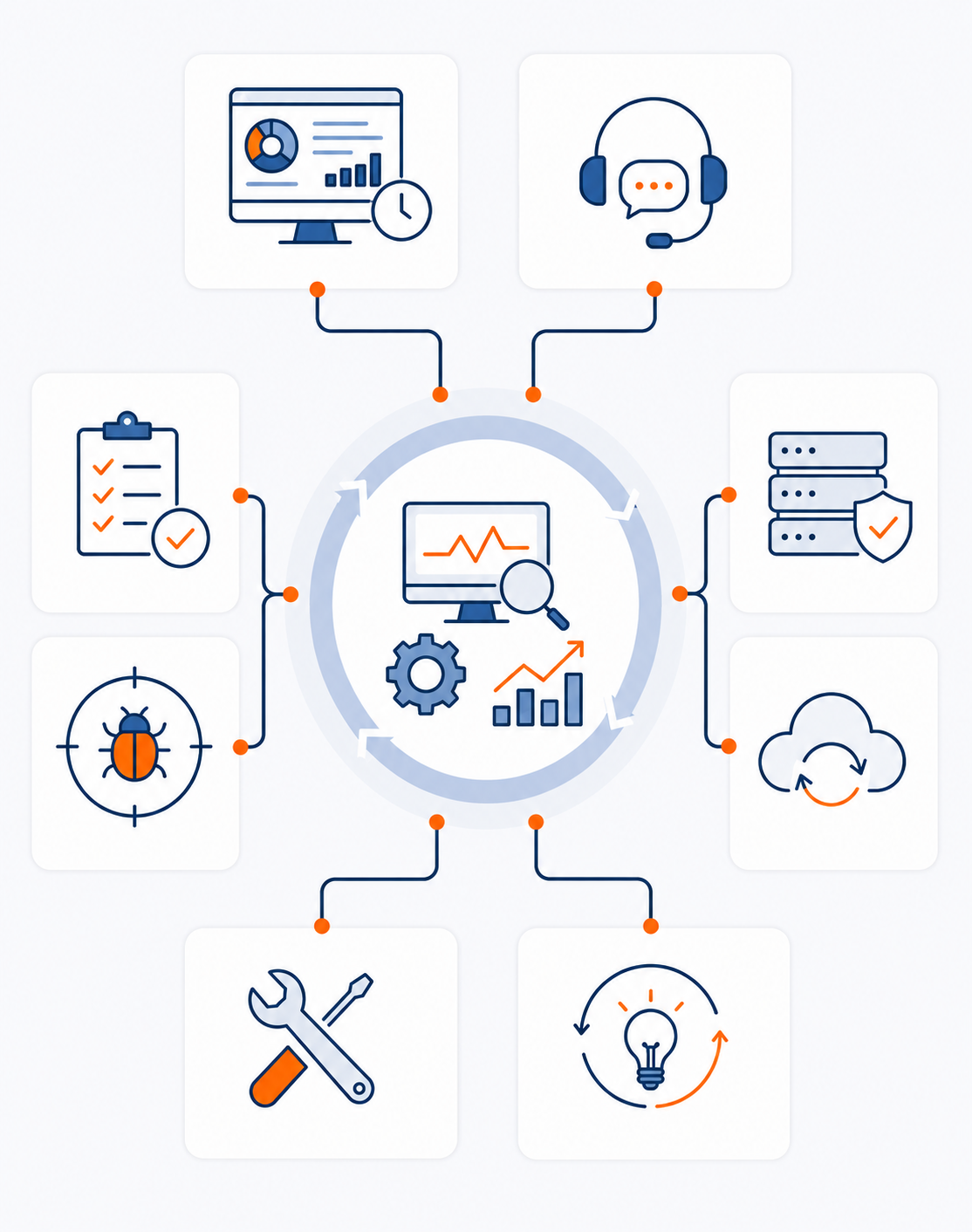
Maintenance, Monitoring & Evolution
Keep your product performant, reliable, and current long after the initial launch.
A product's engineering demands don't end at launch, they shift. Post-release, the focus moves from building new capability to maintaining system reliability, resolving user-reported issues quickly, and making targeted enhancements that extend the product's value without degrading its stability. Our maintenance and support model follows the same Agile build-release discipline as the initial development cycle, with the addition of continuous DevOps monitoring, structured issue triage and response, and periodic reengineering of components to take advantage of new tools and technologies as they mature. Your product continues to improve after launch rather than quietly degrading.
DevOps Monitoring & Alerting
Instrument the production system with monitoring, logging, and alerting that surfaces performance degradation and failure events before users report them.
Issue Triage & Resolution
Maintain a structured process for receiving, diagnosing, prioritizing, and resolving user-reported issues with defined SLAs and transparent status tracking.
Continuous Enhancement
Deliver performance improvements, feature enhancements, and component reengineering through the same Agile cycle discipline used in the initial build.
Case Studies
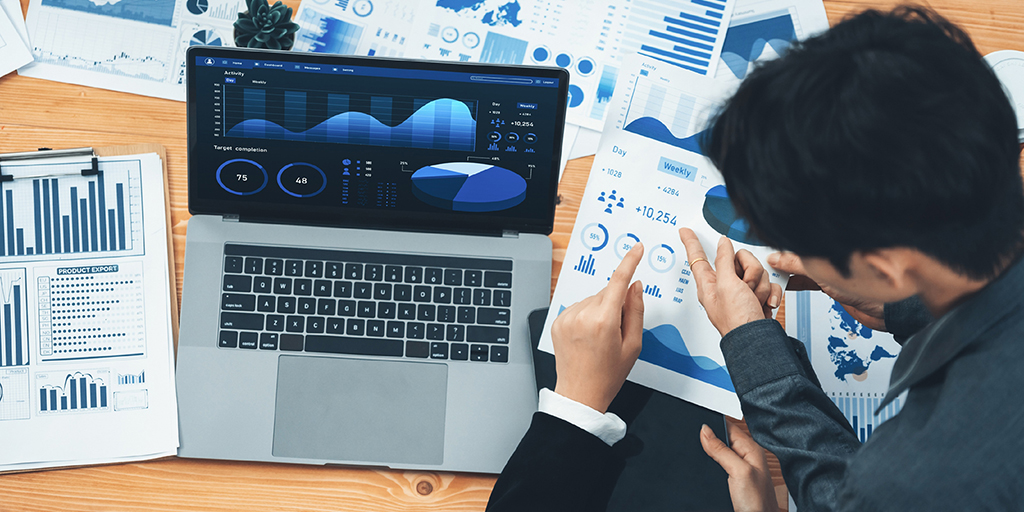
Trusted by leading brands across the globe. Know how Contata helped companies drive more value to their businesses with top-notch Data Science, App Development, and Marketing solutions.


.png)




Featured Insights
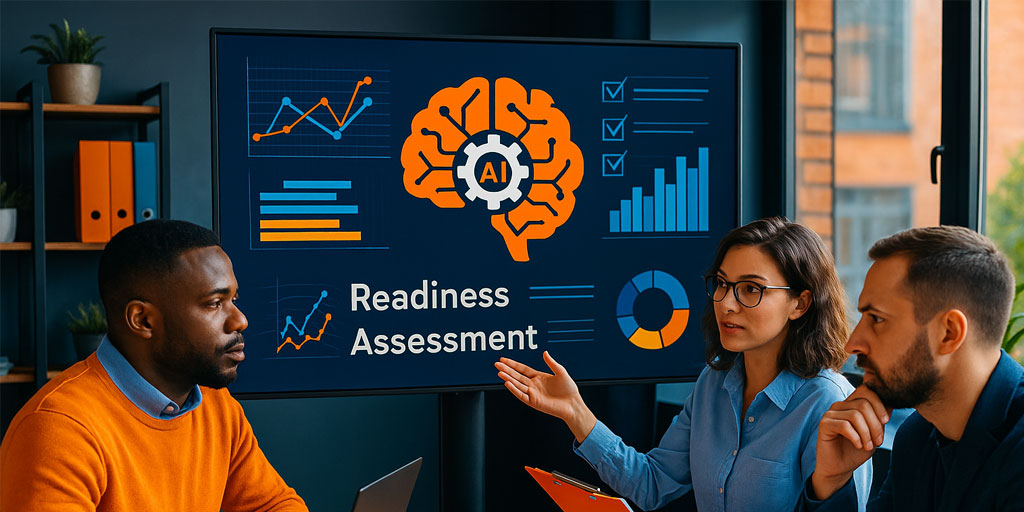

Trusted Partners in Achieving Excellence
For over 25 years, Contata has been the behind-the-scenes partner that ambitious businesses rely on, embedded at every level, from strategy to delivery, to make every project succeed. And we do it cost-effectively.