Data Platform Architecture
The decisions you make today will define
what your data can do for the next decade.
A data platform isn’t a single tool, it’s a set of interconnected decisions about how data flows through your organization, where it lives, who can reach it, and how fast it can answer questions. Get the architecture right and everything downstream, analytics, AI, reporting, compliance, becomes easier and faster to deliver. Get it wrong and every new capability becomes a negotiation with technical debt. We help organizations design data platforms built for the workloads they have today and the ones they haven’t anticipated yet.
Design Deliberately
A well-designed data platform makes new analytics projects faster, cheaper, and more reliable to deliver. A poorly designed one means every new initiative starts with a negotiation against accumulated technical debt.
Right Architecture
Lakehouses, data meshes, and streaming platforms all solve real problems, for specific organizations with specific needs. The architecture right for your business is the one designed around your data volumes, your team’s capabilities, and your actual use cases.

Build Forward
Every data product, ML model, and dashboard built on a well-designed platform reinforces the foundation beneath it. Every workaround built on a poorly designed one makes the next project incrementally harder to deliver.
Our Strategic Roadmap to Implementation
Most data platform projects begin with a technology choice. The successful ones begin with a rigorous understanding of the current state, the business requirements, and the architectural principles that will govern every decision that follows. Our four-phase approach ensures the platform you build is one your organization can rely on, extend, and afford to operate for years.
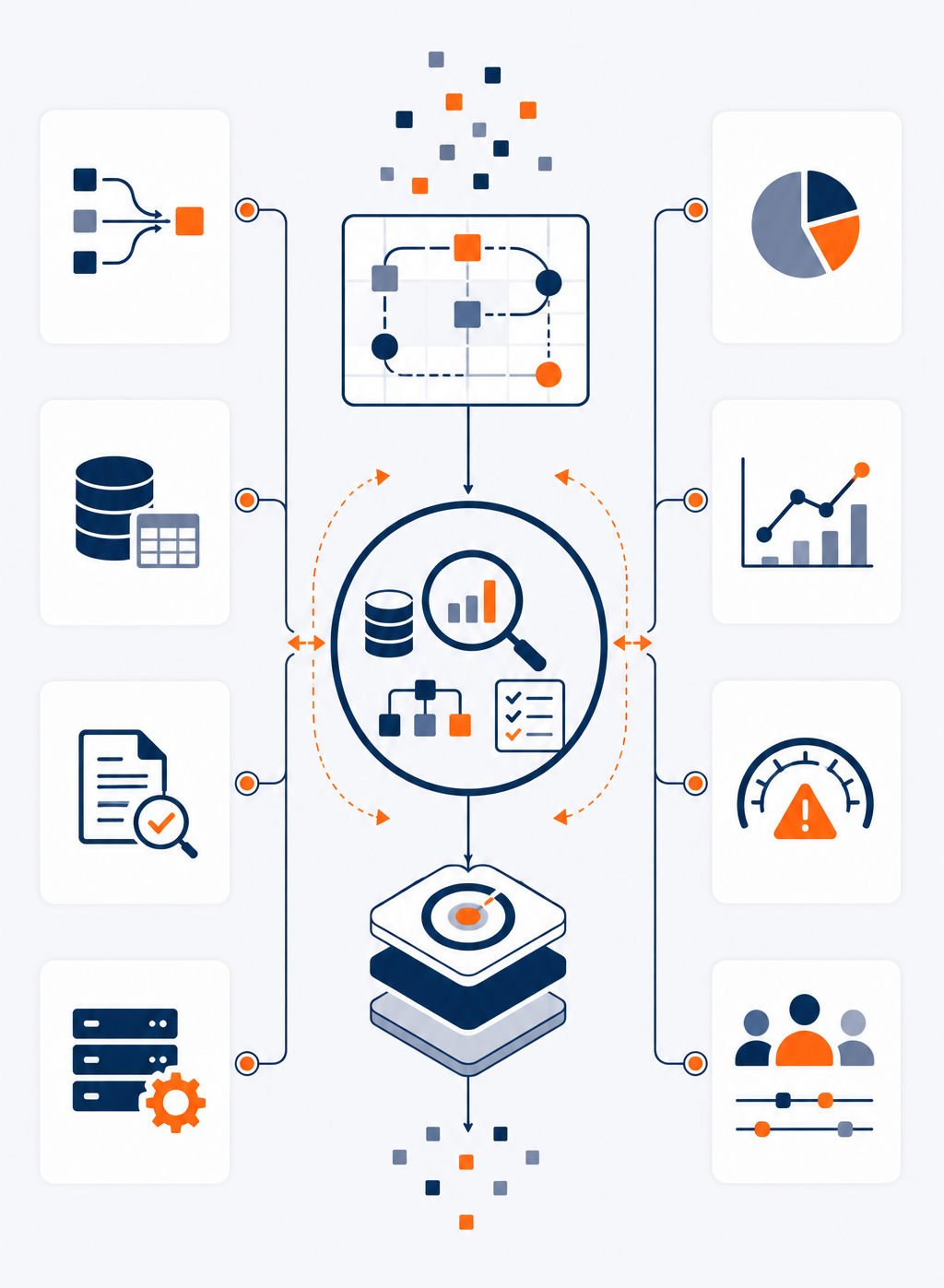
Current State Assessment
Understand the architecture you have before designing the one you need.
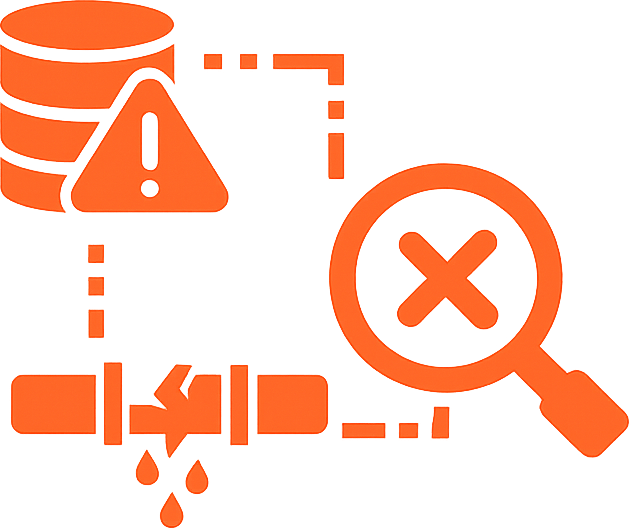
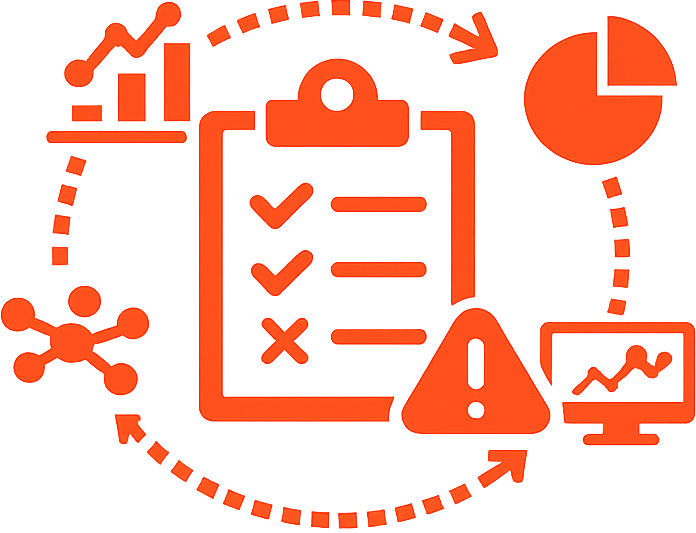
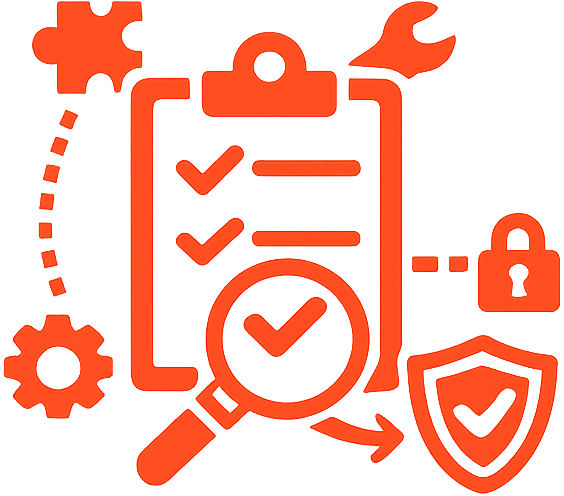
Most data platform redesign projects begin with a technology choice. The right ones begin with a current state assessment. We map your existing data flows, storage layers, transformation logic, and consumption patterns before recommending anything. We document what’s working, what’s failing under load, where data quality problems originate, and what the business actually needs the platform to do. Architecture decisions made without this foundation tend to migrate problems rather than solve them.
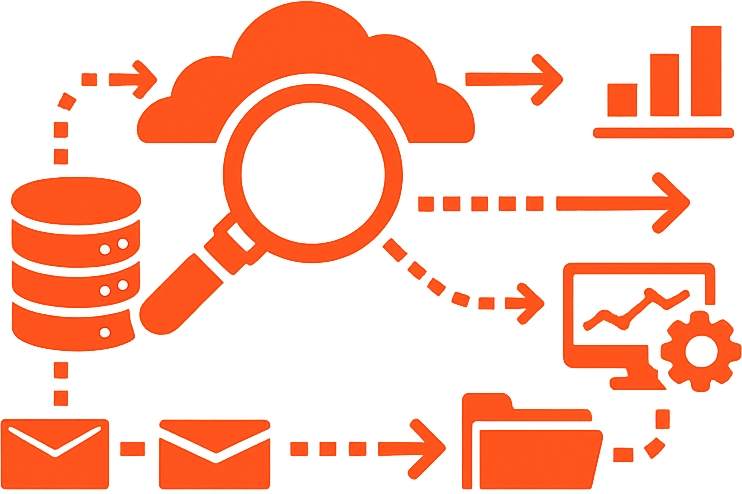
Trace Everything
Map every data source through ingestion to serving to see what the platform actually does, not what teams assume it does.
Find Failures
Pinpoint the slow queries, brittle pipelines, and datasets teams have quietly stopped trusting.
Capture Next
Document the analytics, AI, and reporting needs the current architecture cannot realistically support.

Architecture Design
Design a platform where every layer has a clear purpose and nothing is redundant.
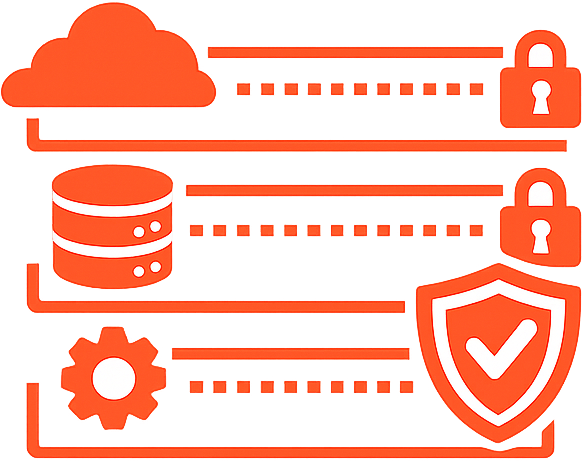
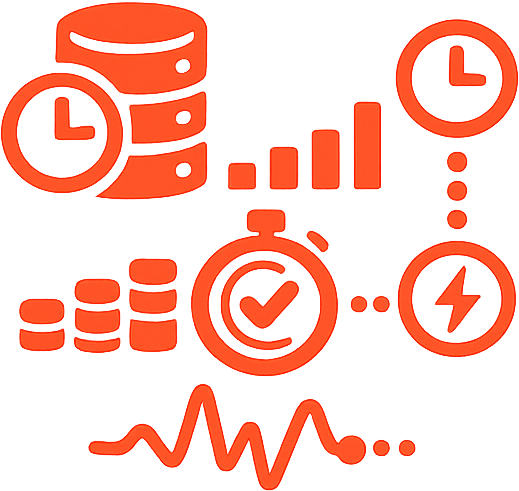
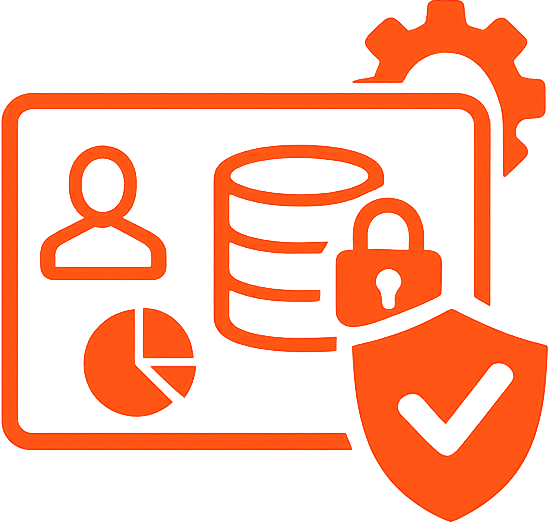
A data platform architecture is a set of answers to specific questions: Where does data land first? How is it cleaned and transformed? How is it organized for consumption? How do different teams access different data at different latencies? We work through every layer, ingestion, storage, transformation, semantic, and serving, and design each one deliberately. We define the boundaries between layers, the contracts between systems, and the governance model that keeps the whole platform coherent as it grows and as new teams depend on it.
Define Layers
Give each layer clear ownership and interfaces so nothing bleeds into what it shouldn't touch.
Match Latency
Choose batch, micro-batch, or streaming based on what the business actually needs, not what's architecturally fashionable.
Govern Early
Build data ownership, access control, and quality standards into the design before the platform goes live.
Technology Selection
Choose tools that fit the architecture, not the other way around.
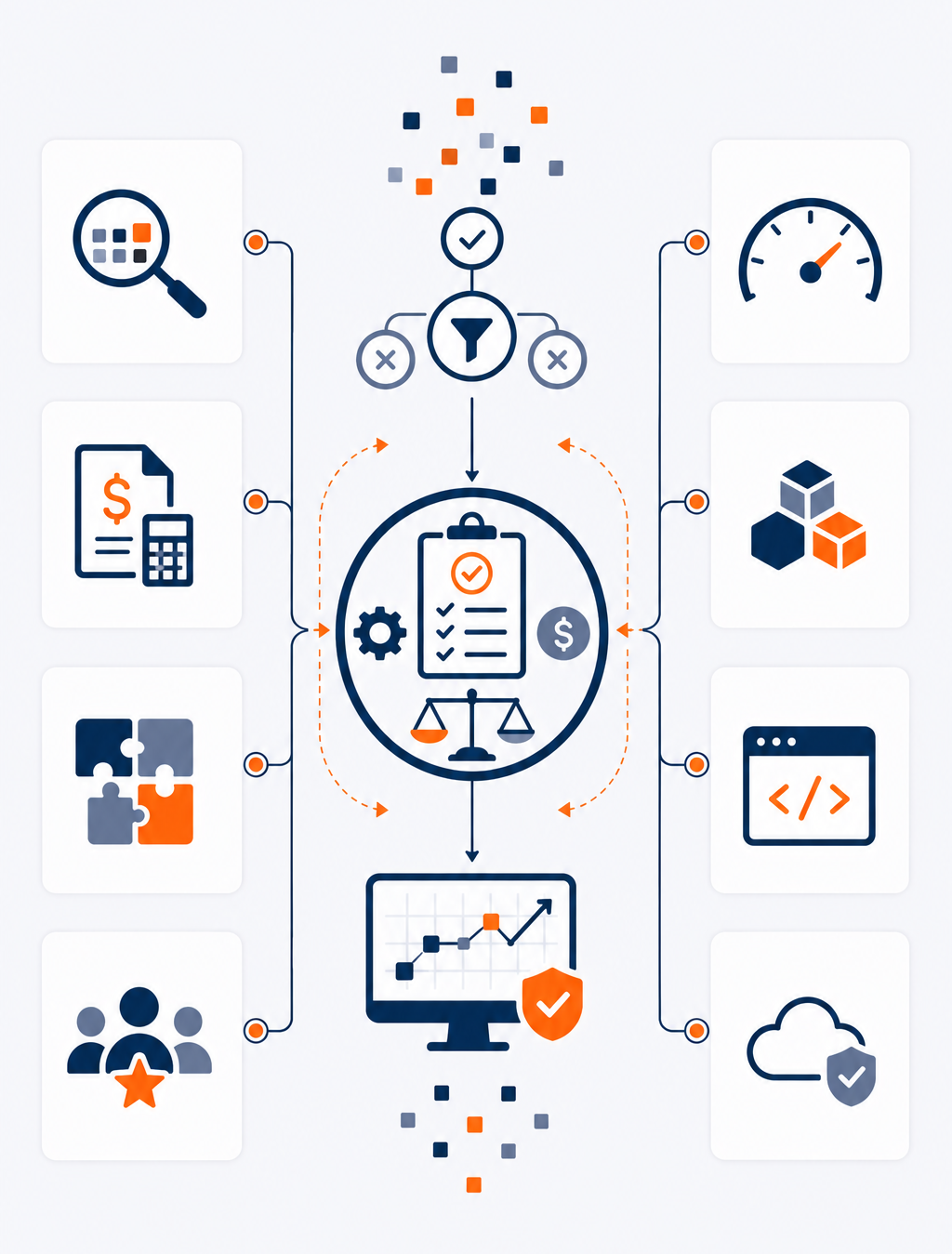
The modern data tool ecosystem has never been more capable or more crowded. Choosing technology before architecture leads to a platform designed around vendor capabilities rather than business requirements, and a roadmap permanently shaped by those early decisions. We evaluate tools after the architecture is defined, when we know exactly what each component needs to do, what scale it needs to handle, and what teams will maintain it long term. We look at total cost of ownership, not just licensing, factoring in the operational burden, skill requirements, and integration complexity that vendor demos rarely surface.
Tools Last
Evaluate technology after the architecture is set, against specific documented needs, not general reputation.

Count Everything
Factor in operational burden, skill requirements, and integration complexity alongside licensing costs.

Stay Open
Identify where open standards matter most to protect options five years from now.
Implementation & Validation
Build in layers, validate each one, and never let a pipeline go untested.
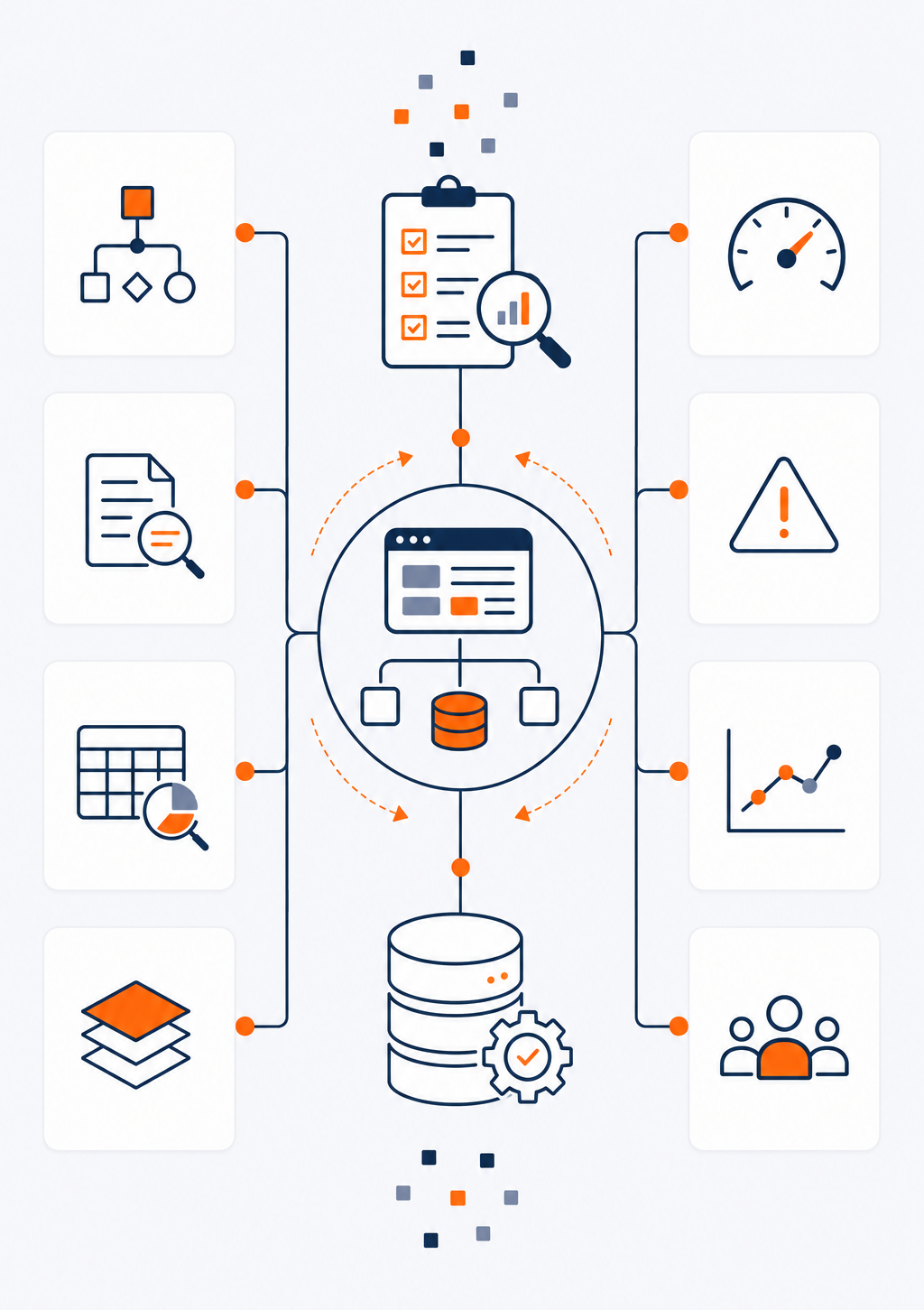
A data platform architecture is only proven when real data flows through it and real users depend on it. We implement the designed architecture in deliberate phases, standing up foundation layers first, validating data quality and performance at each stage before building higher. Success criteria are defined before implementation begins so readiness is a factual determination, not a judgment call made under delivery pressure. Every pipeline is tested. Every transformation is validated against source data. Every access pattern is load-tested before the platform enters production.
Foundation First
Validate ingestion and storage before building transformation and serving layers on top.

Define Done
Document success criteria for each phase so the team always knows when a layer is genuinely ready.
Test Real
Load-test every component at actual volumes and concurrency before any business team depends on it.
Case Studies
Trusted by leading brands across the globe. Know how Contata helped companies drive more value to their businesses with top-notch Data Science, App Development, and Marketing solutions.



.png)




Featured Insights


Trusted Partners in Achieving Excellence
For over 25 years, Contata has been the behind-the-scenes partner that ambitious businesses rely on, embedded at every level, from strategy to delivery, to make every project succeed. And we do it cost-effectively.