Legacy-to-Cloud Migration
Stop maintaining the past.
Start building for what’s next.
Most organizations didn’t choose their current infrastructure, they inherited it. Years of acquisitions, workarounds, and deferred decisions have left a tangle of on-premise systems that are expensive to run, difficult to scale, and increasingly risky to rely on. We help businesses move off legacy infrastructure and onto modern cloud platforms with the precision, discipline, and care that migration at this scale demands.

Delay Costs
Every year spent on aging on-premise infrastructure is a year of compounding maintenance costs, growing security exposure, and widening capability gaps against competitors already running cloud-native operations.
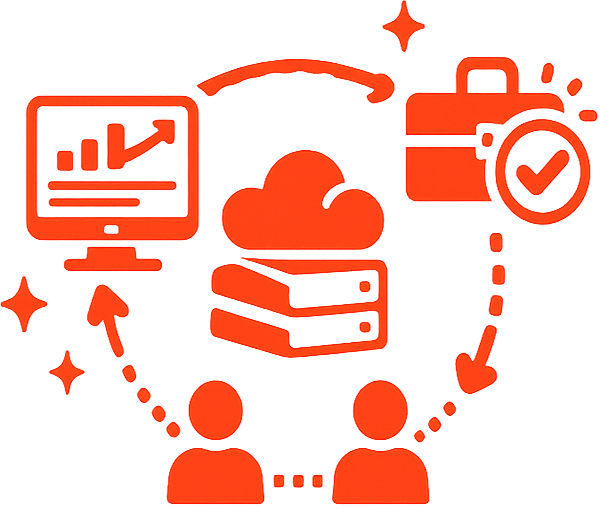
Migration Invisible
A well-executed cloud migration doesn’t disrupt the business, users notice better performance, teams gain new capabilities, and the systems powering daily operations never skip a beat.

Placement Matters
Some workloads lift and shift cleanly. Others need to be re-architected. Some should stay on-premise entirely. Getting this decision right before migration begins determines whether you gain ROI or simply create a new set of problems.
Our Strategic Roadmap to Implementation
Cloud migration projects fail most often not because of the cloud, but because of what happens before a single workload moves. Our four-phase approach builds the foundation of knowledge, architecture, and operational discipline that separates migrations that deliver lasting value from ones that simply relocate the same problems to a different environment.
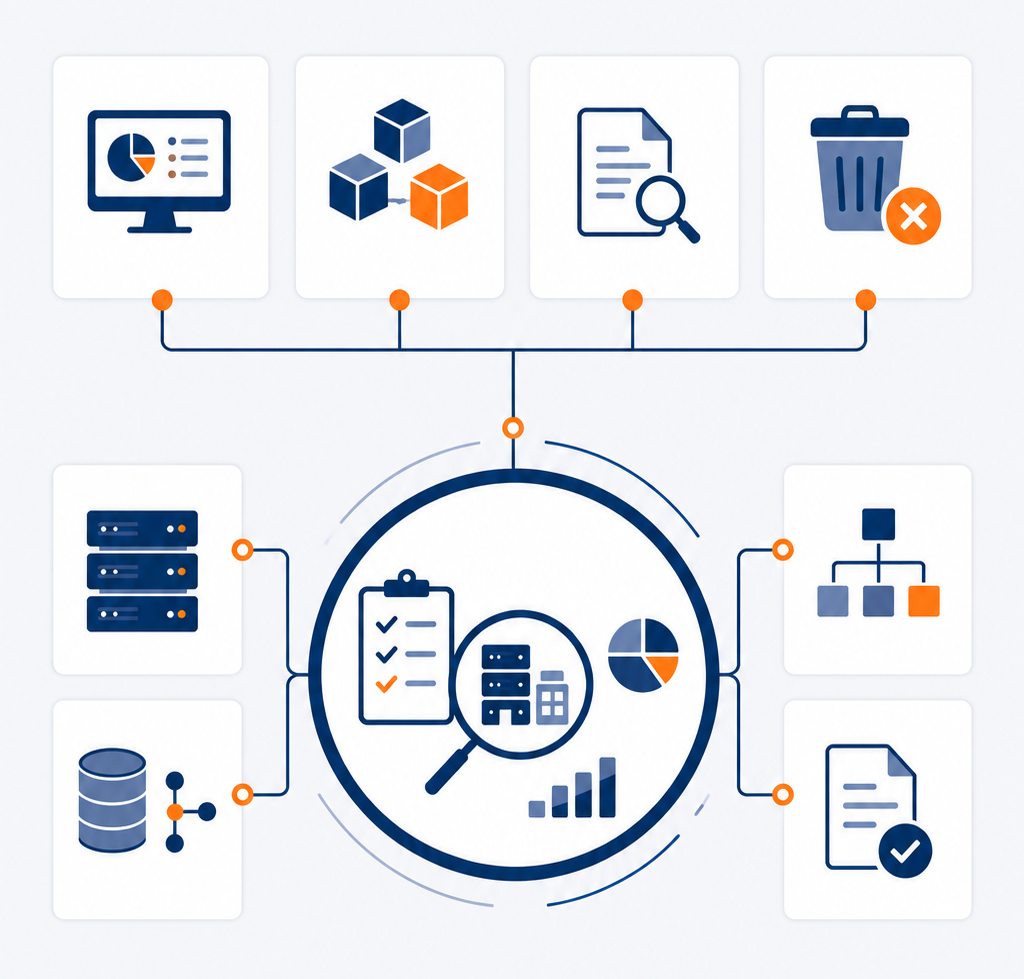
Discovery & Readiness Assessment
Know exactly what you’re working with before you move a single workload.
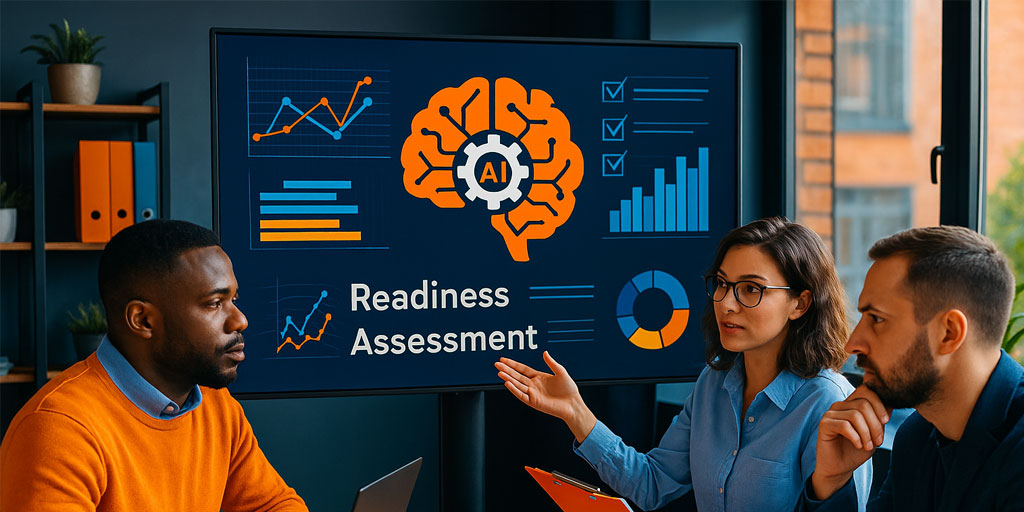
Cloud migration projects fail most often not because of the cloud, but because of insufficient understanding of what’s being moved. We begin with a comprehensive discovery of your entire on-premise environment: servers, databases, applications, interdependencies, licensing, and data volumes. We identify what can migrate as-is, what needs refactoring, and what should simply be decommissioned. The output isn’t a technology recommendation, it’s a clear, honest inventory of your starting point and what it will realistically take to leave it behind.

Inventory Everything
Document every server, application, database, and dependency before migration sequencing begins.
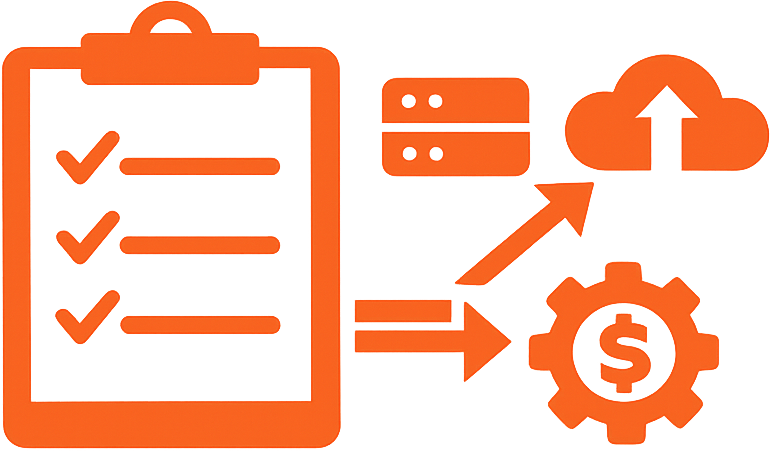
Assess Readiness
Categorize each workload by migration strategy based on real complexity and cost analysis, not assumption.

Surface Compliance
Identify regulatory obligations and security controls before they become mid-migration emergencies.
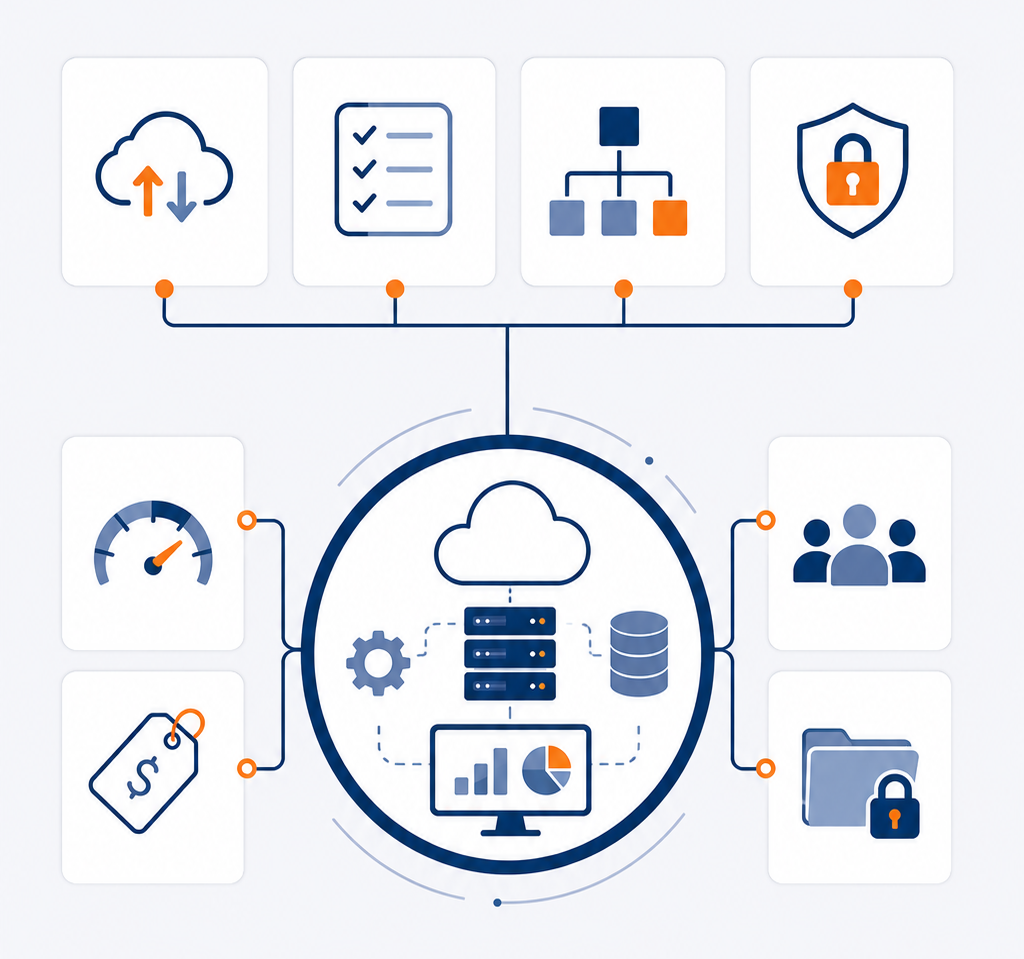
Migration Strategy & Architecture
Design the destination before anything moves, not while it’s in transit.
Migrating to the cloud without a defined target architecture is just moving a problem to a more expensive location. We design the destination state before any workload moves, right-sizing compute, selecting managed services over self-managed infrastructure wherever possible, and establishing networking, identity, and security patterns that scale cleanly. Every architectural decision is weighed against your actual cost, performance, and governance requirements, not pulled from a generic cloud reference template.
Right-Size Early
Size cloud resources to actual workload demand, not the headroom assumptions built for legacy hardware.
Prefer Managed
Use cloud-native managed services wherever possible to reduce long-term operational burden.

Govern First
Establish account structures, network boundaries, and identity controls before any workload arrives.
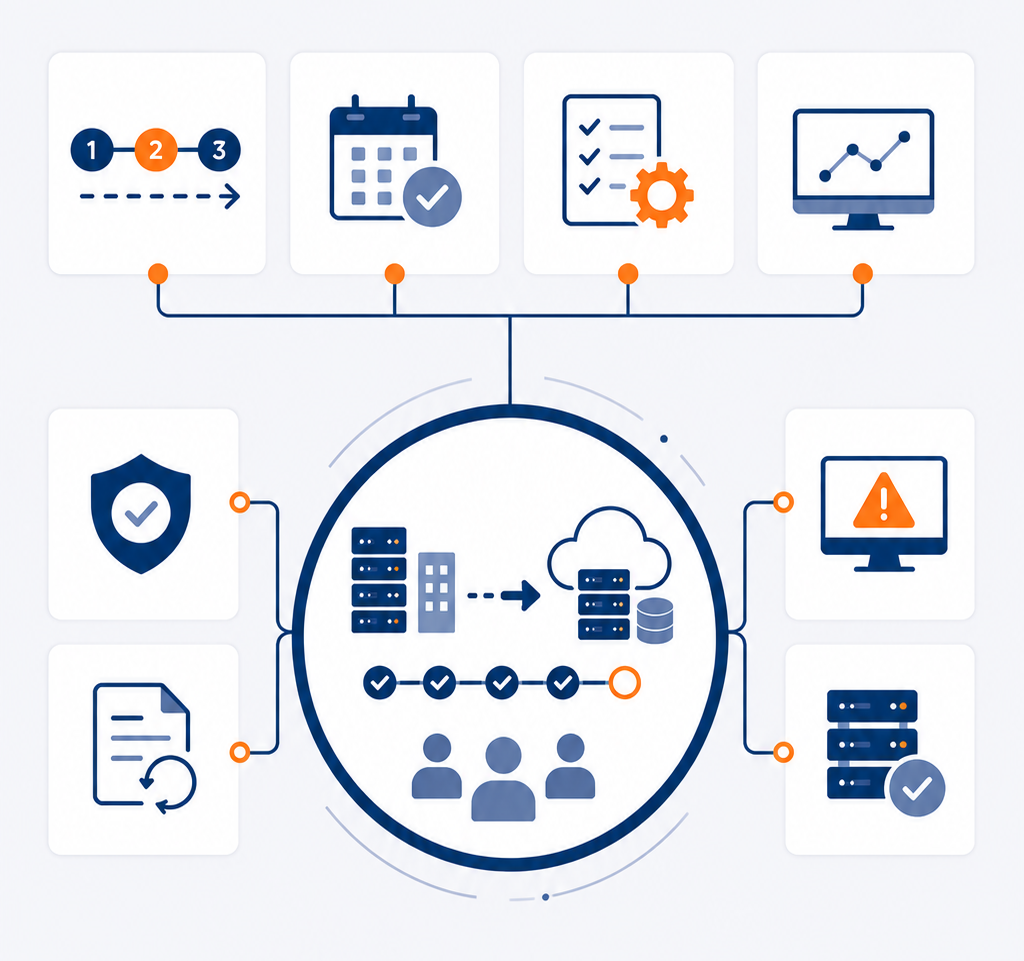
Phased Migration Execution
Move workloads in the right order, at the right pace, without disrupting the business.
The sequencing of a migration matters as much as the migration itself. Moving a critical workload before its dependencies are in place creates outages. Moving everything simultaneously creates chaos. We execute migrations in carefully planned waves, lower-risk systems first to build operational confidence, mission-critical workloads last with the most rigorous testing and rollback planning. Nothing is decommissioned on-premise until the cloud equivalent has been proven reliable under real production conditions.
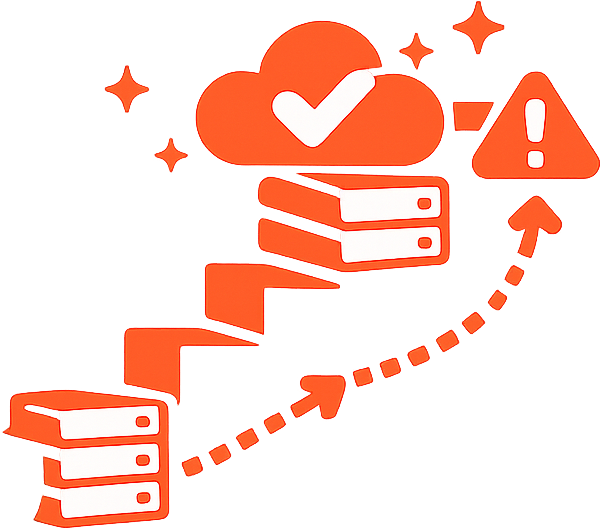
Sequence Carefully
Move lower-risk workloads first so teams build cloud experience before critical systems follow.
Preserve Rollback
Every migrated workload retains a fallback path until the cloud environment is validated stable in production.

Validate Performance
Confirm workloads meet defined benchmarks under real production load before decommissioning anything on-premise.

Post-Migration Optimization
Migration is the beginning of cloud value, not the end of the engagement.
Most cloud environments cost significantly more than they should in their first year, not because cloud is expensive, but because workloads carry the over-provisioning assumptions built up over years of on-premise operation. Once migration is complete, the optimization work begins. We analyze actual usage patterns, eliminate idle resources, implement auto-scaling, establish cost governance, and put monitoring in place that gives your team the kind of operational visibility they never had when running on physical hardware.

Eliminate Over-Provisioning
Rightsize every migrated workload using actual cloud utilization data, not fixed legacy capacity assumptions.

Enable Elasticity
Replace static infrastructure with auto-scaling compute that expands under demand and contracts when traffic drops.

Control Costs
Enforce tagging policies, budget alerts, and regular spend reviews before cloud costs outpace visibility.
Case Studies
Trusted by leading brands across the globe. Know how Contata helped companies drive more value to their businesses with top-notch Data Science, App Development, and Marketing solutions.



.png)



Featured Insights


Trusted Partners in Achieving Excellence
For over 25 years, Contata has been the behind-the-scenes partner that ambitious businesses rely on, embedded at every level, from strategy to delivery, to make every project succeed. And we do it cost-effectively.